
Depression, low mood and support
Support for depression: first steps and a caring network
Depression is not a lack of willpower or sadness that should be hidden. It can affect mood, the body, sleep, concentration and the ability to enjoy life. Asking for help is an act of care, not a failure.
Sanando Juntos · 19 September 2026 · 7 min
Signs that deserve attention
A period of sadness is not always depression. However, persistent low mood, loss of interest, major changes in sleep or appetite, fatigue, guilt, hopelessness or difficulty concentrating are reasons to speak with a professional.
You do not need to wait until everything feels unbearable. A doctor, psychologist or psychiatrist can listen, rule out other causes and help you build an appropriate care plan.
First steps when everything feels difficult
On difficult days, the goal is not to solve your whole life. It is to make the next step small enough to be possible.
- 1Tell a trusted person how you have been feeling, in simple words.
- 2Request professional support and ask someone to help arrange it if needed.
- 3Care for the basics without demanding perfection: water, food, prescribed medication and rest.
- 4Avoid complete isolation; agree on brief, frequent contact with someone safe.
- 5Try gentle breathing only if it feels steady and comfortable.
Community and complementary practices
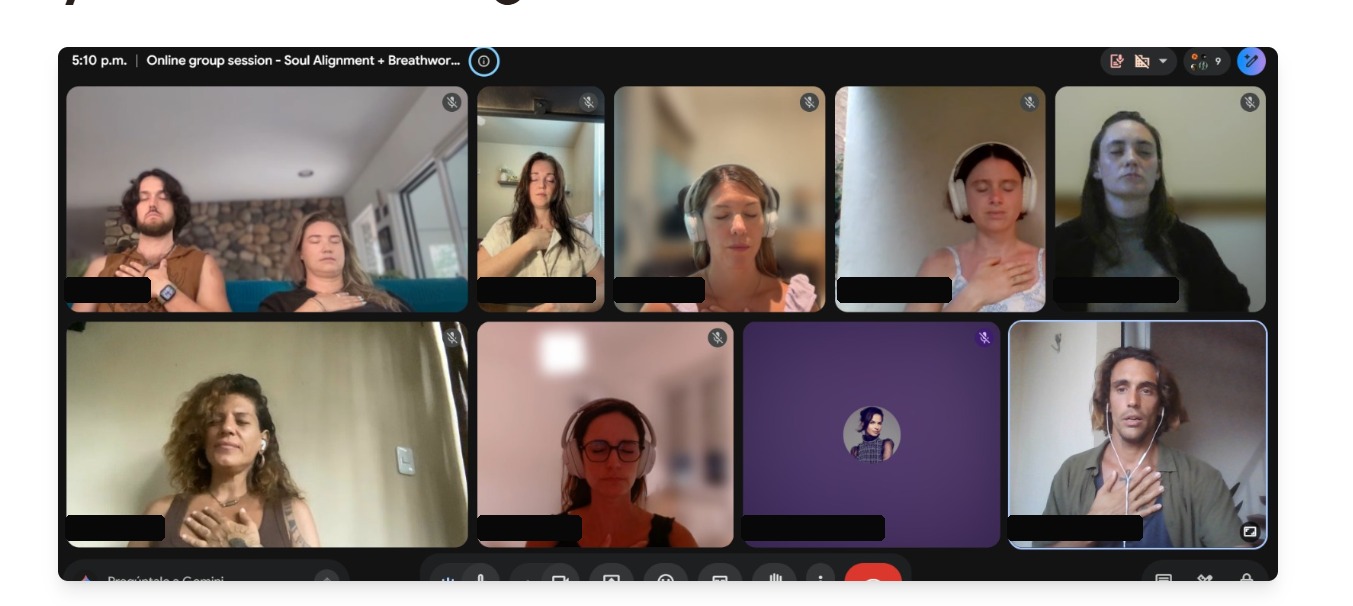
Feeling supported can reduce isolation, but community does not replace diagnosis or treatment. Sanando Juntos offers listening spaces and Breathwork practices as a complement, respecting each person's pace and boundaries.
Facilitator training explores presence, ethics and holding human spaces; it does not qualify anyone to diagnose and is not a substitute for clinical training.